

Home and Living.
Finding the right support to live life your way.
Having a safe and comfortable place to call home is an important part of living a good life. NDIS Home and Living supports are designed to help eligible participants live as safely and independently as possible, with support that reflects their needs, preferences and goals.
Home and Living does not refer to one particular service or type of accommodation. It includes a range of disability-related supports that may help a participant live in their current home, move into a new home, develop greater independence or receive more intensive assistance with everyday life.
The right arrangement will be different for every person. Some participants may need support for a few hours each day, while others may require assistance or supervision throughout the day and overnight.
What can Home and Living supports include?
Depending on the participant’s needs and approved NDIS funding, Home and Living supports may include:
Assistance with Daily Living
Assistance with Daily Living helps participants manage everyday activities in their home. This may include personal care, getting dressed, preparing meals, cleaning, laundry, shopping, medication support and establishing daily routines.
Support can be provided while the participant lives alone, with family, with housemates or in another suitable living arrangement. The aim is to provide the assistance the participant needs while helping them maintain or develop their independence.
Supported Independent Living
Supported Independent Living, known as SIL, provides regular support or supervision for participants with higher support needs. It is generally intended for people who require a support worker to be available 24 hours a day, including overnight, and who need active assistance with daily activities for a significant part of the day.
SIL can include help with personal care, meals, household tasks, medication, routines, appointments and developing independent living skills. A participant may share some supports with other people in the home or receive individual assistance where this is approved.
SIL pays for the support provided within the home. It does not pay for the house itself, rent, groceries, utilities or other ordinary living expenses.
Individualised Living Options
Individualised Living Options, or ILO, help participants develop a living and support arrangement around their individual preferences. A participant may choose to live alone, with a housemate, with someone they already know or in the home of a host.
ILO arrangements can bring together paid support, family involvement and assistance from other trusted people. They may suit participants who require regular support at home but do not need the continuous rostered support generally associated with SIL.
Specialist Disability Accommodation
Specialist Disability Accommodation, known as SDA, is specially designed housing for eligible participants with extreme functional impairment or very high support needs.
SDA homes may include accessible features such as wider doorways, wheelchair-accessible kitchens, ceiling hoists, reinforced walls or automated doors. SDA funding relates to the specialised property, not the personal support a participant receives inside the home. A participant may have both SDA and SIL or another type of support included in their NDIS plan.
Medium-Term Accommodation
Medium-Term Accommodation, or MTA, is temporary accommodation for participants who have a long-term home ready to move into but cannot move in yet.
It may be considered in limited circumstances, such as when a participant is waiting for home modifications to be completed or for their longer-term accommodation to become available. MTA can generally be funded for up to 90 days when approved by the NDIS.
Onsite Shared Support
Onsite Shared Support, or OSS, is another NDIS home and living option that may be available in particular housing arrangements. It provides shared support located onsite, allowing participants to access assistance when needed while maintaining their own individual home and other personal supports.
Home modifications and assistive technology
The NDIS may also consider funding reasonable and necessary home modifications or assistive technology when these are required because of a participant’s disability.
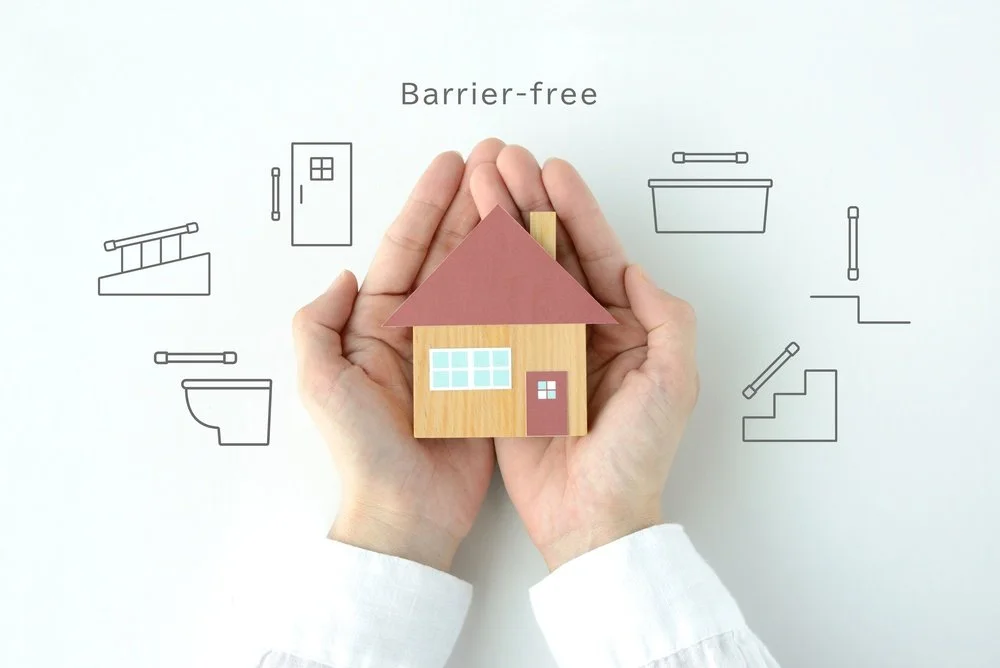
This may include changes that improve access, safety or independence, such as ramps, accessible bathrooms, handrails or specialised equipment. These supports are assessed separately and must meet NDIS funding requirements.



Who may benefit from Home and Living support.?
Home and Living supports may benefit participants who:
Need disability-related assistance to live safely at home.
Require help or supervision with personal care and everyday tasks.
Want to develop their independent living skills.
Are planning to move out of the family home.
Can no longer be safely supported by their current living arrangement.
Have changing or increasing support needs.
Need overnight assistance or continuous support.
Require an accessible or specially designed home.
Want more choice over where they live and who they live with.
Are preparing to leave hospital, rehabilitation or another temporary setting.
Need a different arrangement because their current home no longer meets their needs.
Not every NDIS participant will be eligible for specific Home and Living funding. The NDIS considers each request individually, including the participant’s disability-related needs, goals, current circumstances, available informal supports and whether the requested support meets the NDIS funding criteria.
A participant who believes they need Home and Living support should speak with their my NDIS contact, NDIS planner, support coordinator or recovery coach.
The participant will usually need to explain:
Their current living situation.
What is working and what is not working.
The assistance they require throughout the day and overnight.
Any risks within their current arrangement.
Their preferred living situation.
Their short-term and long-term goals.
The support provided by family and other informal supports.
Why their needs cannot be met through their existing supports.
The NDIS may request supporting evidence from relevant professionals. This could include functional assessments, occupational therapy reports, behaviour support information, medical evidence, daily support records or reports from current providers.
How Eden can help.
Eden Lifestyle Supports takes the time to understand the individual before recommending a support arrangement. We work alongside participants, families, nominees, support coordinators and allied health professionals to understand the person’s daily needs, goals, preferences and vision for their future.
Depending on the participant’s needs and approved funding, Eden may assist with:
Assistance with Daily Living.
Supported Independent Living.
Exploring suitable living and support arrangements.
Personal care and household assistance.
Meal planning and preparation.
Medication support.
Establishing safe and consistent routines.
Building practical skills and independence.
Supporting transitions into a new home.
Developing a consistent team around the participant.
Working collaboratively with family and other providers.
Adjusting supports when the participant’s needs change.
We recognise that a participant’s home is their personal space, not a workplace. Our support workers are expected to respect each person’s privacy, belongings, routines and decisions. We aim to provide reliable support without taking control away from the participant.